Get Drainage Ditch Debris Removal in Kitsap County, WA
Drainage ditch debris removal services for Kitsap County help property owners clear blockages, prevent flooding, and maintain proper water flow by connecting with local contractors experienced in ditch cleaning and maintenance.
Property owners in Kitsap County, WA, often face the practical challenge of managing debris buildup in drainage ditches, especially after storms or seasonal changes. Proper debris removal helps maintain effective water flow, reduces the risk of flooding, and prevents blockages that can lead to property damage. Exploring options for drainage ditch debris removal ensures that properties stay protected and compliant with local regulations, making it a smart step in ongoing property maintenance planning.
For those considering this work, connecting with experienced local contractors can provide valuable insights into the most suitable solutions for their specific needs. Comparing available services helps property owners identify qualified professionals who understand the unique drainage requirements of Kitsap County. Continuing to explore these options can lead to effective, reliable debris removal that supports the long-term health and safety of your property.
- Drainage Ditch Debris Removal - needed when seasonal storms or heavy rainfall cause blockages in ditches throughout neighborhoods in Kitsap County, WA.
- Drainage Ditch Debris Removal - essential for maintaining proper water flow in agricultural areas to prevent flooding and erosion.
- Drainage Ditch Debris Removal - required after storms or high winds deposit leaves, branches, and other debris into ditches near residential communities.
- Drainage Ditch Debris Removal - necessary for commercial properties to ensure drainage systems remain clear and functional during heavy rain events.
- Drainage Ditch Debris Removal - important for rural properties where accumulated debris can obstruct natural water runoff pathways.
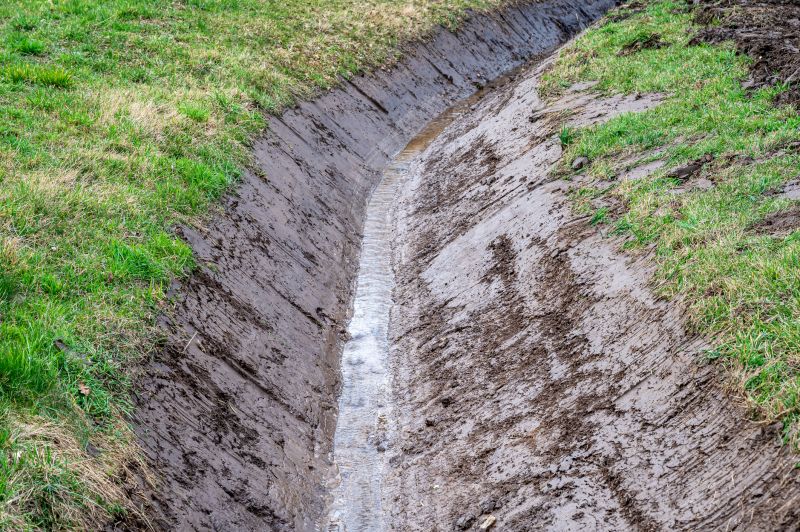
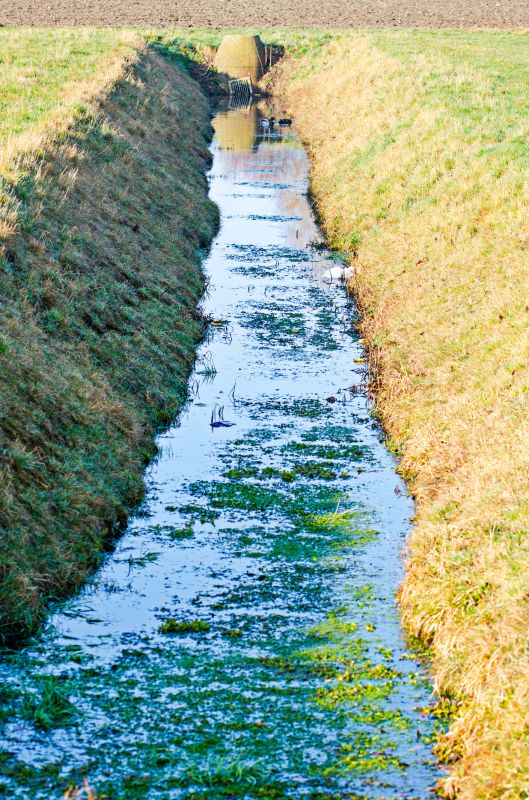
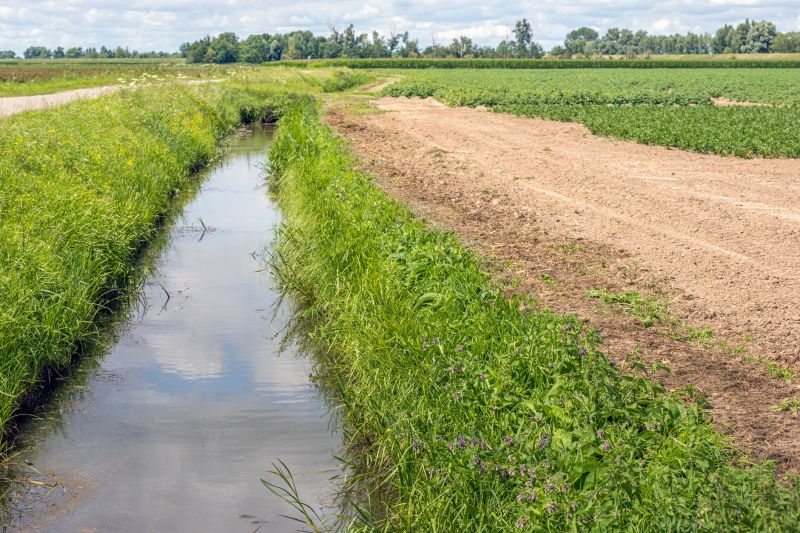
Drainage ditch debris removal services involve clearing out leaves, branches, soil, and other obstructions that accumulate in drainage ditches and culverts. These services typically include inspecting the ditch or culvert, removing debris by hand or with specialized equipment, and ensuring that water can flow freely through the system. Proper debris removal helps prevent blockages that could cause water to back up or overflow, especially during heavy rain or storms. Many service providers also offer ongoing maintenance plans to keep drainage systems clear and functioning properly throughout the year.
This service addresses common issues such as localized flooding, erosion, and water pooling around properties. When debris accumulates in drainage ditches, it can restrict water flow and lead to standing water that damages landscaping and structures. In areas prone to heavy rainfall, clogged drainage can cause significant property damage and create safety hazards like slippery surfaces or unexpected flooding. Regular debris removal helps maintain the integrity of drainage systems, reducing the risk of costly repairs and property damage caused by poor water management.
Properties that typically benefit from drainage ditch debris removal include residential homes, farms, commercial properties, and community developments. Homes situated on sloped land or in low-lying areas often rely on drainage systems to manage stormwater runoff effectively. Agricultural properties may need debris removal to prevent irrigation issues or flooding that could harm crops. Commercial sites with large parking lots or landscaped areas also require regular maintenance of their drainage infrastructure to avoid disruptions and water damage. Overall, any property with a drainage ditch or culvert that collects runoff can benefit from professional debris removal services.
Homeowners usually consider drainage ditch debris removal when noticing signs like pooling water around their property, slow drainage during storms, or visible debris blocking culverts and ditches. Regular inspections and maintenance can help prevent more serious problems, especially in regions with frequent heavy rain or storm activity. By working with experienced service providers, property owners can ensure their drainage systems remain clear and functional, reducing the likelihood of water-related issues. Contacting local contractors for debris removal services can be a practical step toward maintaining property safety and protecting landscaping from water damage.
The overview below groups typical Drainage Ditch Debris Removal projects into broad ranges so you can see how smaller, mid-sized, and larger jobs often compare in Kitsap County, WA.
In many markets, a large share of routine jobs stays in the lower and middle ranges, while only a smaller percentage of projects moves into the highest bands when the work is more complex or site conditions are harder than average.
Smaller debris removal - typical costs range from $250-$600 for routine jobs involving clearing minor blockages or small ditches. Many projects fall within this middle range, depending on ditch length and debris type. Fewer jobs reach the higher end of this spectrum, which may involve additional cleanup or access challenges.
Moderate cleanup projects - these usually cost between $600-$1,200 and cover larger sections or more extensive debris removal. Many local contractors handle these mid-sized jobs regularly, with prices varying based on ditch size and debris volume. Larger, more complex projects can sometimes exceed this range.
Large-scale or complex jobs - costs for extensive debris removal or heavily clogged ditches can range from $1,200-$3,000. Such projects often involve significant labor or equipment, and only a smaller percentage of jobs fall into this higher tier. Prices depend heavily on access and debris type.
Full drainage ditch replacement - complete replacement or major overhaul projects can start around $5,000 and go higher, especially for long or heavily damaged ditches. These are less common and typically reserved for severe cases requiring extensive work and materials. Local service providers can provide detailed estimates based on specific site conditions.
Actual totals will depend on details like access to the work area, the scope of the project, and the materials selected, so use these as general starting points rather than exact figures.
Stormwater Drainage Maintenance - local contractors often handle clearing debris from stormwater systems to prevent blockages and flooding, similar to ditch debris removal.
Culvert Cleaning Services - professionals who clean culverts use similar tools and planning to remove obstructions and ensure proper water flow.
Erosion Control Projects - managing erosion involves assessing drainage paths and removing debris that could contribute to soil instability.
Flood Prevention Drainage Work - efforts to prevent flooding include clearing drainage channels and debris removal to maintain unimpeded water movement.
Stream and Creek Maintenance - maintaining natural watercourses involves debris removal and habitat management similar to ditch cleaning.
Landscape Drainage System Installation - installing and maintaining yard drainage systems requires planning and debris management akin to ditch debris removal.
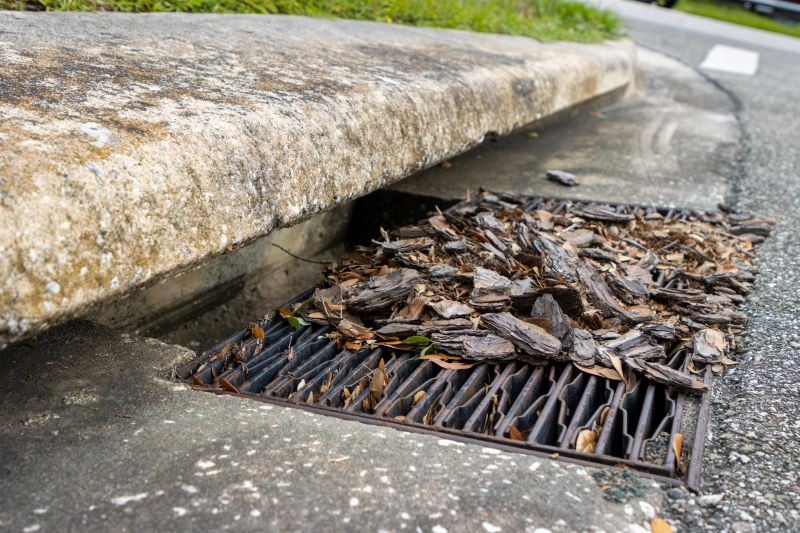
When evaluating drainage ditch debris removal services, it’s important to consider the experience of local contractors with projects similar to your property’s needs. Homeowners should seek providers who have a history of successfully completing drainage and debris removal tasks in neighborhoods comparable to theirs. This familiarity can indicate a contractor’s understanding of local terrain, common drainage issues, and the best methods for effective debris clearing. Asking for details about past work or examples of similar projects can help gauge whether a service provider has the relevant background to handle your specific situation.
Clear and detailed written expectations are essential for a smooth project. Homeowners should look for service providers who communicate their scope of work, what debris removal will entail, and any preparations needed upfront. Having these expectations documented helps prevent misunderstandings and ensures everyone is aligned on what the project involves. Reputable local contractors will be transparent about their processes and provide written estimates or plans that outline the work, so homeowners can make informed decisions and compare options confidently.
Good communication and reputable references are key factors when choosing a drainage debris removal specialist. Reliable service providers maintain open lines of communication, responding promptly to questions and providing updates throughout the project. Additionally, seeking references or reviews from previous clients can offer insights into the contractor’s professionalism, reliability, and quality of work. While the site introduces homeowners to local options, it’s important to remember that connecting with experienced, well-regarded service providers is the best way to ensure the debris removal project is handled efficiently and effectively.
Property owners in Kitsap County, WA use Drainage Ditch Debris Removal services for practical projects around their homes and businesses. This guide focuses on everyday jobs and straightforward project options.
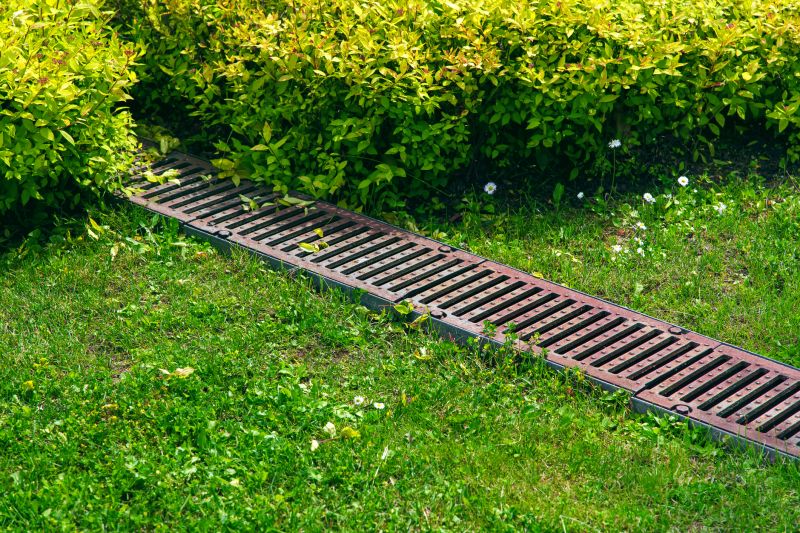
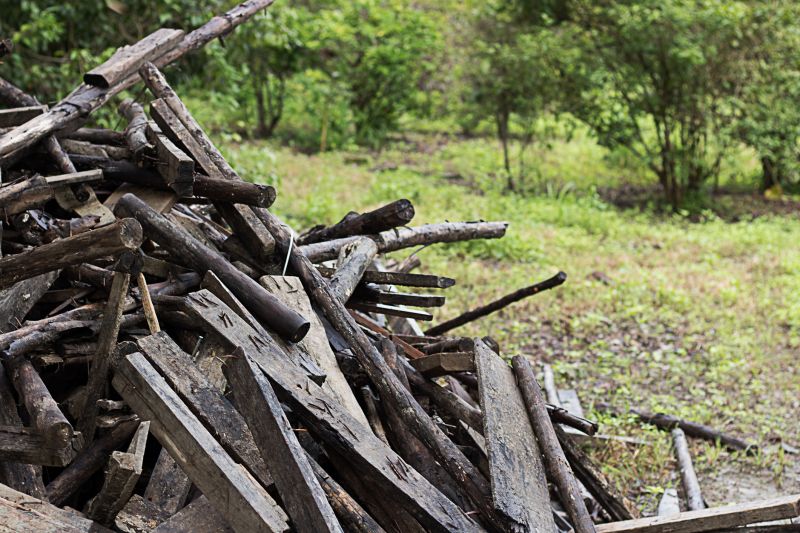
Drainage ditch debris removal services are often needed when property owners in Kitsap County notice clogged or overflowing ditches after heavy rains or storms. Debris such as leaves, branches, and sediment can accumulate over time, reducing the ditch’s ability to manage water flow effectively. This can lead to localized flooding, erosion, or water pooling around driveways and foundations. Local contractors can help clear out these obstructions to ensure proper drainage and prevent potential water damage during the rainy season.
Property owners may also seek debris removal services to maintain the overall health and functionality of their drainage systems. Overgrown or blocked ditches can attract pests or cause unpleasant odors, especially if debris remains trapped for extended periods. Regular cleanup by experienced service providers can help keep ditches clear and functioning properly, supporting the integrity of landscaping and preventing issues that could impact property value. Local professionals are equipped to handle these routine maintenance tasks efficiently and reliably.
What types of debris can local contractors remove from drainage ditches? They can clear out leaves, branches, sediment, and other common debris that can block water flow in drainage ditches.
Why is debris removal important for drainage ditch maintenance? Removing debris helps prevent clogs, flooding, and erosion, ensuring proper water drainage and protecting surrounding property.
How do service providers typically perform debris removal in drainage ditches? They often use specialized tools and equipment to safely access and clear out debris, restoring the ditch’s capacity to drain effectively.
Can debris removal help prevent future drainage problems? Yes, regular removal of debris can reduce the risk of blockages and maintain the proper function of drainage systems over time.
What should be considered when choosing a local contractor for debris removal? It's important to consider their experience, reputation, and ability to handle drainage ditch conditions specific to Kitsap County and nearby areas.
Drainage Ditch Debris Removal - Property owners can prevent flooding by clearing leaves, branches, and other debris from drainage ditches to ensure proper water flow.
Storm Preparedness - Removing debris from drainage systems helps maintain effective drainage during heavy rains, reducing the risk of water pooling around the property.
Landscape Maintenance - Regular debris removal from drainage ditches supports overall yard health by preventing blockages that can lead to erosion or water damage.
Property Preservation - Keeping drainage ditches clear can protect foundations and landscaping from water-related issues caused by clogged or overflowing drains.
If you are thinking about Drainage Ditch Debris Removal for a property in Kitsap County, WA, this guide is meant to help you understand the work, the typical project types, and how different options might fit your plans.
When you are ready, you can use the quote form on this page to share a few details about your project. From there, local pros can review the basics and respond with options that match what you have in mind.